Полезное
•
8 минут на чтение
Поделиться статьей

Содержание
Казначейские команды в TRON обрабатывают переводы большого объёма, регулярные выплаты и взаимодействия с несколькими смарт-контрактами. Без непрерывного мониторинга критические риски могут остаться незамеченными: несанкционированные расходы, незаметное уменьшение баланса, некорректное распределение комиссий или взаимодействие со скомпрометированными адресами. Чтобы исполнение оставалось предсказуемым и не возникали резкие скачки комиссий в периоды пиковой активности, многие операционные команды дополняют мониторинг схемой аренды Energy в TRON, которая гарантирует, что у транзакций будут нужные ресурсы именно тогда, когда это важно.
Постоянная ончейн-видимость помогает казначейским командам:
проверять каждую транзакцию и каждое движение средств;
убеждаться, что правила согласования и разрешения соблюдаются;
выявлять аномалии в активности TRC-20;
поддерживать точное планирование ликвидности.
Мониторинг также помогает быть готовыми к аудиту, гарантируя, что каждая транзакция, каждое изменение разрешений и каждый вызов контракта прослеживаются и соответствуют внутренним политикам.
Риски и потоки казначейства в TRON
Казначейские операции в TRON происходят быстро: средства поступают из расчётов, уходят в виде выплат и циркулируют между горячими, тёплыми и холодными кошельками, пока команды выполняют повседневные операции с TRX и TRC-20. В этом постоянном движении можно столкнуться со следующими рисками:
неожиданный отток средств;
падение баланса, которого не должно быть;
изменение разрешений, которое никто не утверждал;
перевод на подозрительный адрес или резкий скачок потребления Energy либо комиссий.
Что на практике означает мониторинг кошельков TRON
Мониторинг кошельков TRON — это непрерывное отслеживание ончейн-событий по выбранным адресам с использованием правил и оповещений вместо случайных проверок баланса через блок-эксплорер. Он фиксирует каждое движение средств, каждое изменение разрешений, каждый вызов контракта и каждое изменение ресурсов, чтобы казначейство видело проблемы в момент их возникновения, а не после того, как средства уже переместились.
Ключевые компоненты и типы кошельков, которые нужно отслеживать
Эффективный мониторинг опирается на четыре элемента:
источник данных, который в потоковом режиме передаёт ончейн-события;
движок правил, который оценивает поведение;
систему оповещений, которая уведомляет команду в реальном времени;
логи, которые фиксируют каждое действие для аудита и проверки.
Казначейство должно отслеживать все категории операционных кошельков, включая холодные кошельки для долгосрочных резервов, горячие кошельки для активных расходов, payout-кошельки для ежедневных переводов, fee- или energy-кошельки, используемые для исполнения контрактов, а также выделенные адреса для приёма входящих платежей.
Проектирование оповещений для кошельков TRON
Сфокусированная система оповещений даёт казначейству своевременные сигналы без лишнего шума. Оповещения должны выделять события, которые меняют профиль риска или влияют на ликвидность, используя чёткие пороги и контролируемые каналы доставки, чтобы критические инциденты никогда не оставались незамеченными.
Основные типы оповещений и каналы доставки
Казначейские команды обычно опираются на небольшой набор наиболее ценных оповещений:
крупные или необычные исходящие переводы;
первое взаимодействие с новым контрагентом;
внезапное или необъяснимое снижение баланса;
изменения разрешений, ролей мультиподписи или токенных approvals;
активность с участием высокорисковых или ранее помеченных адресов.
Такие оповещения должны доставляться по каналам, соответствующим срочности: сообщения в реальном времени во внутренних мессенджерах для критических событий, email для рутинных обновлений, дашборды для ежедневного контроля и плановые отчёты для аудита.
Приоритеты и борьба с усталостью от оповещений
Настройка приоритетов помогает казначейству правильно реагировать.
Наивысший приоритет должен быть у оповещений о прямых угрозах средствам, таких как несанкционированные исходящие переводы или внезапные изменения разрешений.
Оповещения среднего уровня должны сигнализировать об операционных проблемах, например о необычных комиссиях или повторяющихся неудачных транзакциях.
Оповещения низкого уровня должны отслеживать небольшие отклонения, которые не требуют немедленных действий, но помогают видеть тенденции.
Чтобы снизить усталость от оповещений, задавайте понятные пороги, чтобы незначительные изменения не вызывали тревогу, объединяйте повторяющиеся события в групповые сводки и регулярно пересматривайте правила, чтобы они оставались согласованными с реальным поведением транзакций.
Правила выявления аномалий для кошельков TRON
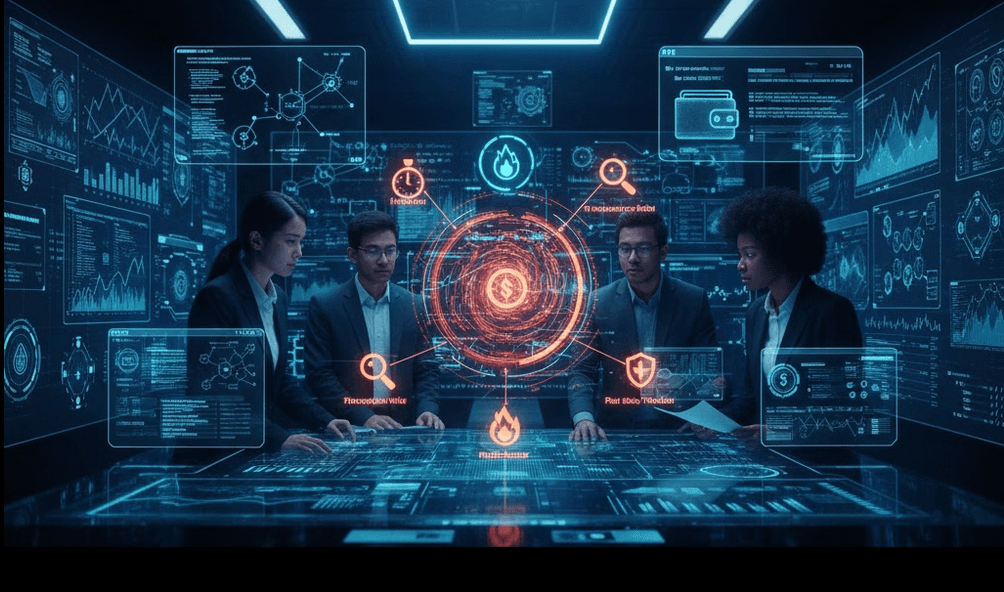
Правила выявления аномалий фиксируют поведение, выходящее за рамки обычных паттернов кошелька TRON. Они идут дальше простых фиксированных лимитов, отслеживая время, частоту и контекст, что позволяет казначейству замечать ранние тревожные сигналы, которые обычные пороги бы пропустили.
Пороговые правила для казначейства в TRON
Пороговые правила задают чёткие границы того, что считается чрезмерной или неожиданной активностью. Это первый уровень защиты для казначейских потоков с большим объёмом операций.
Максимальная сумма, допустимая в одном исходящем переводе.
Дневные и недельные лимиты объёма для переводов TRX и TRC-20.
Ограничения на количество транзакций, которые кошелёк может выполнить за заданный промежуток времени.
Эти правила помогают сразу выявлять отклонения — например, когда payout-кошелёк отправляет больше своего установленного дневного лимита или когда возникает внезапный всплеск мелких переводов, не соответствующий обычному рабочему процессу.
Поведенческие и специфичные для TRON аномалии
Поведенческие правила выявляют активность, которая выглядит необычно по сравнению с обычными паттернами кошелька. Сюда относятся переводы в нетипичное время, новые контрагенты, которых раньше не было, или последовательности транзакций, отличающиеся от типичных казначейских операций.
Проверки, специфичные для TRON, добавляют дополнительный уровень защиты.
Мониторинг TRC-20 approvals помогает выявлять неожиданные авторизации, которые могут открыть возможность расходования токенов.
Отслеживание потребления Energy и Bandwidth позволяет замечать вызовы контрактов, не соответствующие ожидаемой нагрузке.
Маркировка взаимодействий с новыми или непроверенными контрактами помогает выявлять возможные попытки эксплуатации или ошибочно направленные транзакции.
Регламенты казначейства в TRON: что делать, когда срабатывает оповещение по кошельку
Оповещение по кошельку показывает команде, что нужно проверить, какие средства могут находиться под риском и следует ли перевести операции на резервный кошелёк TRON.
Регламент на случай инцидента безопасности
Когда оповещение по кошельку TRON показывает подозрительный перевод или изменение прав доступа:
Проверьте транзакцию и подтвердите, что она была авторизована.
Приостановите исходящие операции с затронутого кошелька.
Переключите активность на резервный горячий или тёплый кошелёк.
Обновите права доступа или approvals, чтобы убрать риск.
Зафиксируйте инцидент для аудита и последующего разбора.
Операционный и рутинный регламент
Для операционных оповещений, влияющих на ежедневные процессы:
Проверьте зависшие выплаты или повторяющиеся неудачные транзакции.
Убедитесь, что уровни Energy и Bandwidth достаточны.
Выполните быструю проверку статуса: балансы, переводы, approvals.
Повторно подтвердите лимиты и адреса перед крупными выплатами.
Зафиксируйте проблему, чтобы отслеживать повторяющиеся паттерны.
Заключение: почему контроль кошельков TRON улучшает работу любого казначейства
Система мониторинга переводит казначейские операции в TRON из режима реакции на проблемы в режим упреждения. Вместо того чтобы замечать сбои только после изменения баланса, команда видит поведение кошелька в моменте и понимает, какие события требуют действий.
Оповещения выделяют движения средств, которые могут повлиять на активы, а правила аномалий показывают паттерны, выходящие за рамки обычного потока казначейства. Затем регламенты дают понятные шаги, поэтому каждое оповещение приводит к последовательной и контролируемой реакции. Когда все этапы соблюдаются, казначейство выявляет риски на ранней стадии, действия становятся предсказуемыми, а каждый кошелёк TRON остаётся прозрачным и подотчётным.
FAQ по мониторингу кошельков TRON
Нужен ли мониторинг, если мои средства TRON хранятся в мультисиг- или холодных кошельках?
Мультисиг- и холодные кошельки снижают риск исполнения, но не заменяют прозрачность. Мониторинг всё равно позволяет замечать изменения прав доступа, неожиданные движения средств, новые аппрувы и любую активность, влияющую на безопасность кошелька или его роль в казначейском потоке.
Можно ли получать оповещения по кошельку TRON без передачи приватных ключей?
Мониторинг использует только публичные ончейн-данные, поэтому вы передаёте адрес кошелька, а не приватные ключи или seed-фразы. Это стандартный и безопасный подход как в TRON, так и в других сетях.
Сколько кошельков TRON должно отслеживать казначейство?
Как минимум — все кошельки, участвующие в казначейских операциях: кошельки хранения, payout-кошельки, кошельки для комиссий и Energy, а также адреса для входящих платежей. Чёткая маркировка и групповые представления помогают управлять большим количеством адресов без потери структуры.
Чем мониторинг кошельков отличается от AML-проверок на бирже?
Мониторинг кошельков отслеживает поведение ваших собственных ончейн-адресов. AML-проверки на бирже — это меры комплаенса, которые сама биржа или PSP применяет для анализа своих клиентов и их транзакционных потоков. Эти процессы решают разные задачи и не заменяют друг друга.
Насколько детализированными должны быть правила аномалий для небольших и крупных казначейств?
Небольшим командам достаточно нескольких базовых правил: необычные переводы, всплески объёма и изменения прав доступа. Крупные казначейства выигрывают от более тонких поведенческих паттернов и проверок, специфичных для TRON. Главное — расширять набор правил постепенно, не перегружая систему с первого дня.
Новые статьи